
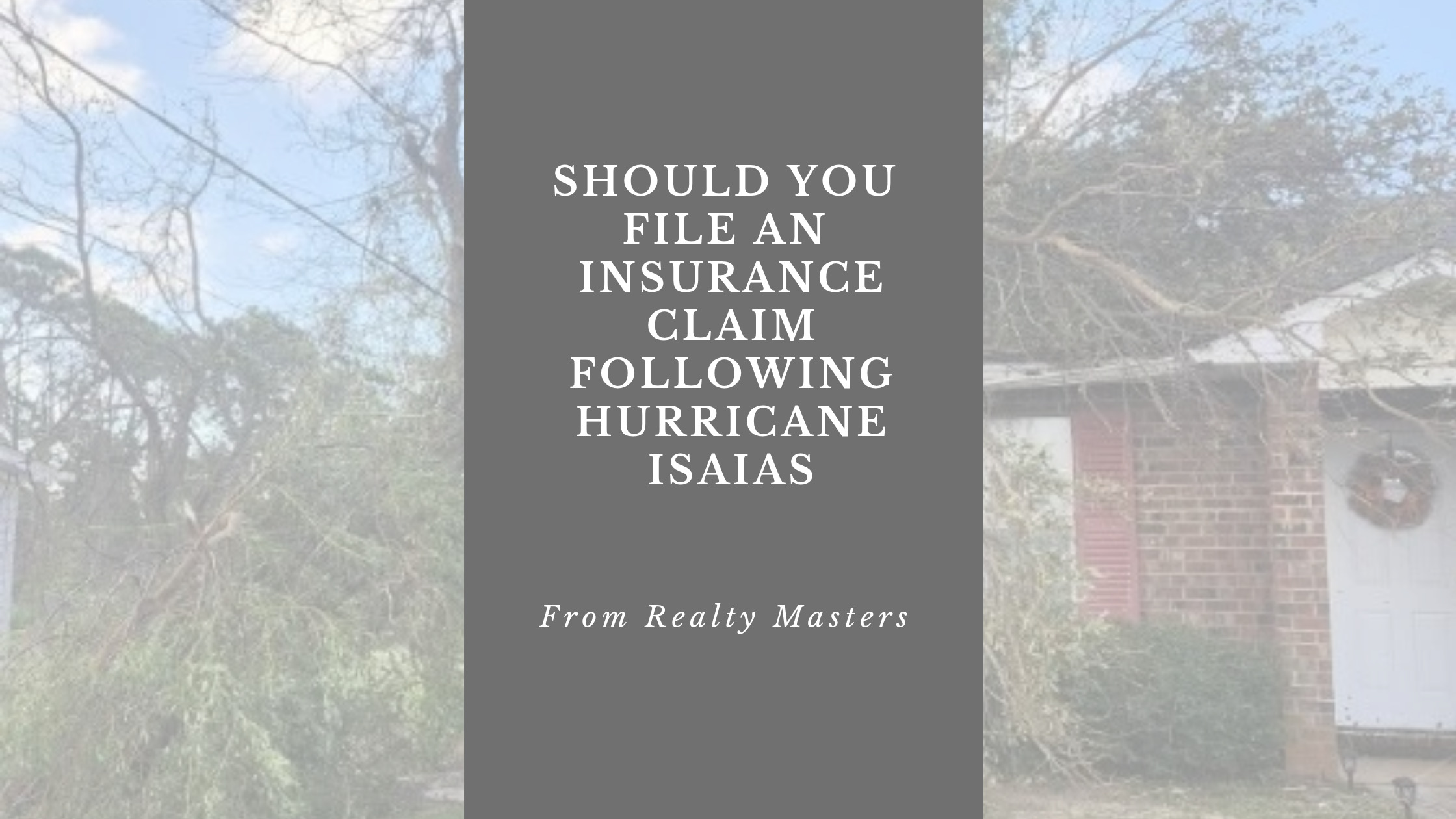
Before Filing a Hurricane Insurance Claim
DO:
- Call your insurance agent. Discuss your damages, coverage, deductible, and whether filing a claim makes sense.
- Review your deductible. Hurricane deductibles are often percentage-based and may be significantly higher than your standard deductible.
- Consider a professional home inspection. A qualified inspector can help identify damage you may not see from the ground.
- Document everything. Take photos and videos of damage before cleanup or repairs.
DON'T:
- File a claim for every minor repair without considering your deductible.
- Rush into unnecessary repairs or decisions.
- Use an insurance claim as a substitute for a professional inspection to see if your home needs repairs.
- Assume every storm-related expense will be covered.
Remember, significant damage should be reported promptly according to your policy's requirements and you do have a responsibility under your policy to mitigate further secondary damage.
Understanding Your Insurance Policy: DP1, DP3, and Landlord Coverage
Not all insurance policies provide the same protection! DP1 policies generally provide more limited coverage for specifically named perils, while DP3 policies typically offer broader coverage for rental properties. Even among landlord policies, coverage for roofs, fences, detached structures, and loss of rental income can vary significantly. Every insurance carrier has different exclusions, deductibles, coverage limits, and endorsements, so it's important to review your specific policy with your insurance agent before assuming damages will be covered.
What Hurricane Damage Is Typically Covered?
Roof Damage and Hidden Leaks
Hurricane Isaias brought significant wind damage to our area, but fortunately, we didn't experience a tremendous amount of rain during the storm. This means roof damage may be concealed! Missing or lifted shingles, damaged flashing, and compromised roofing materials may not result in visible interior leaks until the next heavy rain.
We strongly recommend considering a professional home inspection, especially for absentee property owners who cannot personally assess their homes.
Fallen Trees and Debris
Tree coverage can be complicated. A tree that falls onto an insured structure may qualify for coverage, including some removal costs. However, trees that fall in the yard without damaging a covered structure often aren't covered for removal.
Fences, Sheds, and Other Structures
Fences, detached garages, sheds, and other structures may have separate coverage limits. Wind damage may be covered, but your deductible and policy limitations could make smaller claims impractical.
Loss of Rental Income
For landlords, this is an important consideration! If hurricane damage makes your rental property uninhabitable, your landlord insurance policy may provide loss of rental income coverage while covered repairs are completed.
However, lost rent from a power outage alone, tenant vacancy, or routine repairs may not qualify. Review your landlord policy carefully.
Water Mitigation, Mold, and Hidden Damage
Water damage can become especially costly if it isn't addressed quickly. Many insurance policies have specific requirements, limits, or exclusions for water mitigation, mold remediation, and damage caused by prolonged moisture intrusion. Some policies limit mold coverage to relatively small amounts or exclude certain types of water damage entirely. Following Hurricane Isaias, concealed roof damage may not become apparent until the next heavy rain, making timely inspections especially important. If water intrusion is discovered, document the damage, take reasonable steps to prevent further damage, and contact your insurance company promptly to understand your coverage and reporting requirements.
Flood Damage
Fortunately, Hurricane Isaias did not bring widespread flooding to our area. Keep in mind that standard homeowners and landlord policies generally exclude flood damage, which typically requires separate coverage.
Should You File a Claim or Pay Out of Pocket?
Before filing, compare the estimated cost of covered repairs against your hurricane deductible.
For example, if your deductible is $5,000 and you have $2,000 in fence damage, filing a claim may not provide a financial benefit.
On the other hand, extensive roof damage, trees on structures, and significant interior damage may justify filing a claim.
Also consider your claims history and discuss potential insurance implications with your agent. Don't delay reporting serious damage while waiting for every repair estimate.
Be Careful Hiring Contractors After a Hurricane
After major storms, contractors flood the area offering emergency repairs.
We recommend using reputable local contractors whenever possible, verifying insurance and licensing requirements, obtaining written estimates, and making sure necessary permits are pulled.
Avoid paying large amounts upfront or signing contracts you don't fully understand. We recommend not rushing into a roofing contractor.
Pensacola Property Management After Hurricane Isaias
At Realty Masters of Florida, we manage hundreds of rental homes throughout Pensacola and surrounding communities. Following Hurricane Isaias, our team has been coordinating damage reports, prioritizing emergency repairs, working with local contractors, and helping absentee owners make informed decisions about their investments.
Our biggest advice? Don't rush into filing a claim, but don't overlook potential damage either. A professional inspection and a conversation with your insurance agent can help you make the right decision.
Need help managing your Pensacola rental property?
Disclaimer: Insurance coverage varies by policy, carrier, and circumstances. Consult your insurance agent for coverage questions and a qualified professional for property damage assessments.